19
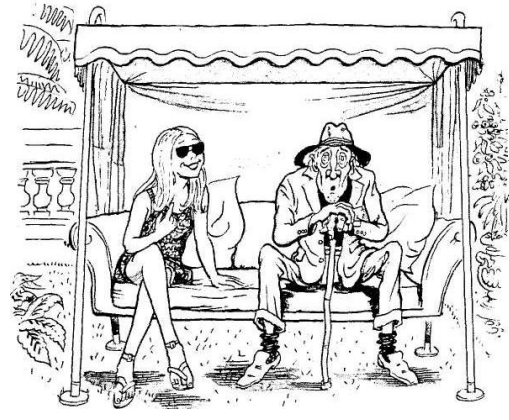
Mr. Yates was nearly ninety, so it was often difficult for him to remember things,
but he still liked travelling very much, so he and his wife went to Spain every
year. One summer when they were there, they went to visit some friends. These
people had two young daughters.
One afternoon Mr. Yates was talking to one of the girls in the garden after
lunch. ‘You and your sister were ill when my wife and I were here last year,
weren’t you?’ he said to her.
‘Yes, we were,’ answered the girl. ‘We were very ill.’
The old man said nothing for a minute, because he was thinking. Then at last
he said, ‘Oh, yes, I remember now! One of you died. Which one of you was it,
you or your sister?’
The girl answered, ‘It was me.’
‘Oh? I’m very sorry to hear it,’ said the old man.
Միստր Յեյթսը մոտ իննսուն տարեկան էր, ուստի հաճախ դժվարությամբ էր հիշում տարբեր բաներ։ Սակայն նա դեռ սիրում էր ճանապարհորդել, ու ամեն տարի կնոջ հետ գնում էին Իսպանիա։
Մի ամառ, երբ նրանք այնտեղ էին, որոշեցին այցելել իրենց ընկերներին։ Այդ ընտանիքն ուներ երկու երիտասարդ դուստր։
Ճաշից հետո, մի օր այգում, Միստր Յեյթսը զրուցում էր աղջիկներից մեկի հետ։
— Անցած տարի, երբ կինս և ես այստեղ էինք, դու և քույրդ հիվանդ չէի՞ք, — հարցրեց նա։
— Այո, ճիշտ եք հիշում, — պատասխանեց աղջիկը, — մենք շատ վատ էինք զգում մեզ։
Ծերունին մի պահ լռեց։ Նրան պետք էր մի փոքր ժամանակ հիշելու։ Վերջապես ասաց․
— Հա՛, հիմա հիշեցի։ Դուք ձեզ այնքան վատ էիք զգում, որ մեկդ մահացավ։ Բայց ո՞վ էր դա՝ դու՞, թե քույրդ։
Աղջիկը պատասխանեց․
— Ես էի։
— Իսկապե՞ս։ Շատ եմ ցավում, — ասաց Միստր Յեյթսը՝ լիովին լուրջ։
- Why did Mr. Yates not remember things very well?
→ Because he was nearly ninety years old. - Where did his friends live?
→ In Spain. - Who were ill when Mr. and Mrs. Yates visited Spain another time?
→ The two daughters of their friends were ill. - Who really died then?
→ Nobody really died. The girl was joking. - Was the girl having a joke with Mr. Yates?
→ Yes, she was joking.
B. Vocabulary from the Story
- almost → nearly
- not forget → remember
- sad → sorry
- hard → difficult
- stopped living → died
C. Fill in the Blanks in the Story
Mr. and Mrs. Yates lived together for 52 years, and then she became very
ill. After a month she died, and Mr. Yates was alone. It was difficult for him to
live in a big house without anybody else, so he married again. His new wife
was much younger than he was, and she liked travelling to foreign countries, so
they began to go to Africa every winter, in the winter. Mrs. Yates had a younger
sister, and she usually went with them too. Everybody thought, ‘Those girls
are that old man’s daughters.’
One day in Kenya a man said to him, ‘Do you remember me? I was your
neighbour in Southampton.’
Mr. Yates did not answer for a few seconds, because he was thinking. Then
he said, ‘Oh, yes! That’s right! I married your daughter, didn’t I?’
20
Mr. Knott was a teacher. He taught in a big school in London. He lived a
long way from the school, so he was usually quite tired when he got home. At
nine o’clock one evening, when he was in bed, the telephone bell rang in the
hall of his small house, so he went downstairs, picked up the telephone and
said, ‘This is Whitebridge 3165. Who’s speaking, please?’
‘Watt,’ a man answered.
‘What’s your name, please?’ said Mr. Knott.
‘Watt’s my name,’ was the answer.
‘Yes, I asked you that. What’s your name?’ Mr. Knott said again.
‘I told you. Watt’s my name,’ said the other man. ‘Are you Jack Smith?’
‘No, I’m Knott,’ answered Mr. Knott.
‘Will you give me your name, please?’ said Mr. Watt.
‘Will Knott,’ answered Mr. Knott.
Both Mr. Watt and Mr. Will Knott put their telephones down angrily
and thought, ‘That was a rude, stupid man!’
Պարոն Նոթը ուսուցիչ էր։ Նա դասավանդում էր Լոնդոնի մեծ դպրոցներից մեկում։ Դպրոցից շատ հեռու էր բնակվում, ուստի սովորաբար տուն հասնելիս բավականին հոգնած էր լինում։
Մի երեկո, ժամը իննին, երբ արդեն անկողնում էր, նրա փոքրիկ տան նախասրահում հնչեց հեռախոսի զանգը։ Նա իջավ ներքև, վերցրեց լսափողը և ասաց.
— Այստեղ Վայթբրիջ 3165 է։ Ո՞վ է խոսում, խնդրում եմ։
— Ուոթ, — պատասխանեց մի տղամարդ։
— Խնդրում եմ, ձեր անունն ասեք, — ասաց պարոն Նոթը։
— Ուոթ է իմ անունը, — եղավ պատասխանը։
— Այո, հենց դա եմ հարցնում, ո՞րն է ձեր անունը, — կրկին ասաց պարոն Նոթը։
— Ասացի արդեն, Ուոթ է իմ անունը, — կրկնեց մյուսը։ — Դուք Ջեք Սմիթ՞ն եք։
— Ո՛չ, ես Նոթն եմ, — պատասխանեց պարոն Նոթը։
— Կմնա՞ք ձեր անունը ասել, խնդրում եմ, — ասաց պարոն Ուոթը։
— Վիլ Նոթ, — պատասխանեց պարոն Նոթը։
Երկուսն էլ՝ պարոն Ուոթը և պարոն Վիլ Նոթը, զայրացած տեղ դրեցին հեռախոսի լսափողը և մտքում մտածեցին.
«Ինչ անքաղաքավարի և հիմար մարդ էր»։
A. Պատասխաններ
- Why was Mr. Knott usually tired in the evenings?
He was usually tired because he lived a long way from the school, and traveling every day made him tired. - Why did he get up and go downstairs when he was already in bed?
He got up and went downstairs because the telephone rang in the hall of his house. - Who telephoned him?
Mr. Watt telephoned him.
21
Carol Roberts left school when she was seventeen and then thought, ‘What’s
going to happen now? I want to marry a nice, young man and have children, but
no nice, young men have asked me yet. Will I meet one soon, and will he want to
marry me?’
She spoke to her best friend about these questions, and her best friend said.
‘Go and ask a fortune-teller. Perhaps she’ll give you the answers.’’
So Carol went to see a fortune-teller. The fortune-teller said to her, ‘I’ll give
you answers to two questions. It’ll cost you five pounds.’
Carol was surprised. She thought for some time, but at last she paid the
money. Then she said to the fortune-teller, ‘Isn’t that very expensive for only
two questions?’
‘Yes, it is,’ answered the fortune-teller. ‘And now what’s your second
question?’
Քերոլ Ռոբերթսը դպրոցն ավարտեց տասնյոթ տարեկանում և ապա մտածեց․
«Ի՞նչ է լինելու հիմա։ Ես ուզում եմ ամուսնանալ մի լավ, երիտասարդ տղամարդու հետ և ունենալ երեխաներ, բայց դեռ ոչ մի լավ, երիտասարդ տղամարդ ինձ առաջարկ չի արել։ Կտեսնե՞մ արդյոք շուտով մեկին, և կուզի՞ նա ամուսնանալ ինձ հետ»։
Նա իր լավագույն ընկերուհուն պատմեց այս հարցերի մասին, և ընկերուհին ասաց․
— Գնա գուշակի մոտ։ Գուցե նա քեզ պատասխաններ տա։
Քերոլը գնաց գուշակի մոտ։ Գուշակն ասաց․
— Ես քեզ կպատասխանեմ երկու հարցի։ Դրա արժեքը հինգ ֆունտ է։
Քերոլը զարմացավ։ Նա մի պահ մտածեց, բայց վերջապես վճարեց գումարը։ Ապա ասաց գուշակին․
— Արդյո՞ք սա շատ թանկ չէ միայն երկու հարցի համար։
— Այո՛, շատ թանկ է,— պատասխանեց գուշակը։— Իսկ հիմա ո՞րն է քո երկրորդ հարցը։
A. Answer these questions.
- What did Carol want to do after she left school?
She wanted to marry a nice, young man and have children. - What questions did she want to ask the fortune-teller?
She wanted to ask if she would meet a nice, young man soon and if he would want to marry her. - Why was Carol surprised?
She was surprised because the fortune-teller asked five pounds for only two questions. - How much money did she give the fortune-teller?
She gave the fortune-teller five pounds. - How did she spend half that money?
She spent half the money by asking her first question (“Isn’t that very expensive for only two questions?”).
1.
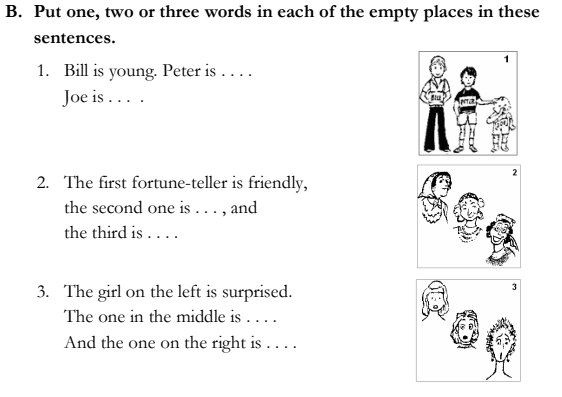
Bill is young. Peter is younger.
Joe is the youngest.

2.
The first fortune-teller is friendly,
the second one is serious,
and the third is angry.

3.
The girl on the left is surprised.
The one in the middle is happy,
and the one on the right is sad.
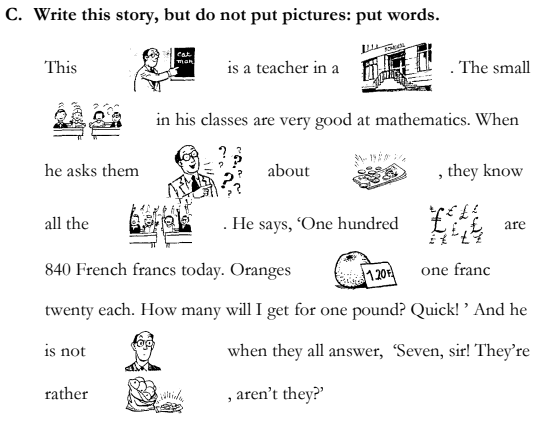
This man is a teacher in a school. The small children in his classes are very good at mathematics. When he asks them questions about money, they know all the answers. He says, “One hundred pounds are 840 French francs today. Oranges cost one franc twenty each. How many will I get for one pound? Quick!” And he is not surprised when they all answer, “Seven, sir! They’re rather expensive, aren’t they?”
22
Jack had a small, red car, and he liked driving it very fast. This was all right when
he was out in the country, but in towns and big villages driving fast is dangerous,
so there is always a speed limit. In Jack’s country it was fifty kilometres an hour.
Jack often drove faster than that through towns.
One day Jack was driving his small, red car through a town when a very
young policeman stopped him and said, ‘You were driving at more than fifty
kilometres an hour, sir. Please give me your name and address.’
Jack looked at the young policeman carefully for a few seconds and then said
to him, ‘But I started my journey less than an hour ago!’
The policeman was new to this work and did not know the answer to Jack’s
excuse. He thought for a few seconds and then let Jack go.

Ջեքը փոքրիկ կարմիր մեքենա ուներ, և նա սիրում էր այն շատ արագ վարել։
Դա նորմալ էր, երբ նա գտնվում էր գյուղական վայրերում, բայց քաղաքներում և մեծ գյուղերում արագ վարելը վտանգավոր է, ուստի միշտ կա արագության սահմանափակում։ Ջեքի երկրում այն կազմում էր ժամում հիսուն կիլոմետր։
Ջեքը հաճախ ավելի արագ էր վարում, քան դա, երբ անցնում էր քաղաքներով։

Մի օր Ջեքը իր փոքրիկ կարմիր մեքենայով անցնում էր քաղաքի միջով, երբ շատ երիտասարդ ոստիկան կանգնեցրեց նրան և ասաց.
— Դուք վարում էիք ժամում հիսուն կիլոմետրից ավելի արագ, պարոն։ Խնդրում եմ տվեք ձեր անունը և հասցեն։

Ջեքը մի քանի վայրկյան ուշադիր նայեց երիտասարդ ոստիկանին, ապա ասաց.
— Բայց ես ճանապարհս սկսել եմ մեկ ժամից քիչ առաջ։

Ոստիկանը նոր էր այս աշխատանքում և չգիտեր Ջեքի այս արդարացման պատասխանը։ Նա մի քանի վայրկյան մտածեց և հետո թույլ տվեց Ջեքին գնալ:
A. Questions
Why is there a speed limit in towns and big villages?
Because driving fast in towns is dangerous.

How fast did Jack sometimes drive through towns?
Jack often drove faster than the speed limit.

Why did the young policeman stop Jack?
Because Jack was driving faster than the allowed speed limit.

What was Jack’s excuse? (He said, ‘. . .’)
Jack said, "I was going so fast because my little red car is small and I like driving it very fast."

Why did the policeman let Jack go?
Because he thought perhaps Jack's excuse was a good one or because he was new at the job.

B. Opposites (from the story on page 46)
Slowly — fast

Wrong — right

Carelessly — carefully

More — less

Big — small

Slower — faster

Safe — dangerous

C. True or False sentences (write down the true ones)
There was no speed ‘limit outside towns and big villages. — True

The speed limit outside towns and big villages was 50 kilometers an hour. — True

Jack often drove faster than 50 kilometers an hour in towns. — True

Jack often drove faster than the speed limit. — True

The policeman wanted Jack’s name and address. — True

Jack wanted the policeman’s name and address. — False

Jack’s excuse was a good one. — True (the policeman thought so)

Jack’s excuse was a bad one. — False

The policeman let Jack go because he thought, ‘Perhaps that’s a good excuse.’ — True

The policeman let Jack go because he was new at that work. — True
23
Dick was seven years old, and his sister, Catherine, was five. One day their
mother took them to their aunt’s house to play while she went to the big city to
buy some new clothes
The children played for an hour, and then at half past four their aunt took
Dick into the kitchen. She gave him a nice cake and a knife and said to him,
‘Now here’s a knife, Dick. Cut this cake in half and give one of the pieces to
your sister, but remember to do it like a gentleman.’
‘Like a gentleman?’ Dick asked. ‘How do gentlemen do it? ‘They always give
the bigger piece to the other person,’ answered his aunt at once.
‘Oh,’ said Dick. He thought about this for a few seconds. Then he took the
cake to his sister and said to her, ‘Cut this cake in half, Catherine.’
Դիկը յոթ տարեկան էր, իսկ իր քույրը՝ Կատրինը՝ հինգ: Մի օր նրանց մայրիկը տարավ նրանց տատիկի տուն խաղալու, քանի որ ինքն էր գնում մեծ քաղաք նոր հագուստ գնելու:

Երեխաները խաղացին մեկ ժամ, և հետո, ժամը չորսի կիսից կես անց, նրանց տատիկը Դիկին տարավ խոհանոց: Նա տվեց Դիկին գեղեցիկ մի տորթ և դանակ և ասաց. «Այստեղ դանակ է, Դիկ, կտրի այս տորթը կեսով և տուր մեկ կտոր քո քույրիկին, բայց հիշիր՝ արա այնպես, ինչպես շքեղ տղամարդիկ են անում»:

«Ինչպե՞ս են շքեղ տղամարդիկ անում»,- հարցրեց Դիկը: «Նրանք միշտ մեծ կտորը տալիս են մյուս մարդուն»,- անմիջապես պատասխանեց տատիկը:

«Ահա ինչ»,- ասաց Դիկը: Նա մի քանի վայրկյան մտածեց, ապա տորթը տարավ քույրիկին և ասաց. «Կտրի այս տորթը կեսով, Կատրին»
C. Put the number of the correct sentence under the correct picture:
Picture 1 — 5. The children’s mother left them with their aunt.

Picture 2 — 3. Dick went into the kitchen with his aunt.

Picture 3 — 6. His aunt gave him a knife.

Picture 4 — 4. Dick said, ‘Cut this cake in half.’

Picture 5 — 1. Dick went to Catherine with the cake.

Picture 6 — 2. Dick’s aunt showed him a cake.


A. Answer these questions:
Why did the children’s mother leave them at their aunt’s house?
Because she went to the big city to buy some new clothes.

What did Dick’s aunt want him to do with the cake?
She wanted him to cut the cake in half and give one piece to his sister.

What do gentlemen do when there are two pieces of cake?
Gentlemen always give the bigger piece to the other person.

Which piece did Dick’s aunt want him to give Catherine?
She wanted him to give the bigger piece to Catherine.

What did Dick do with the cake?
Dick gave the cake to Catherine and asked her to cut it in half.

B. Which answers are right? Write the questions and the correct answers down:
Which child was younger?
a. Catherine was.

Who wanted Dick to cut the cake?
b. His aunt.

Why did Dick take the cake to Catherine?
b. Because he wanted to be like a gentleman.

24
A small boy and his father were having a walk in the country when it suddenly
began to rain very hard. They did not have their umbrellas with them, and there
was nowhere to hide from the rain, so they were soon very wet, and the small
boy did not feel very happy.
For a long time while they were walking home through the rain, the boy was
thinking. Then at last he turned to his father and said to him, ‘Why does it rain,
Father? It isn’t very nice, is it?’
‘No, it isn’t very nice, but it’s very useful, Tom,’ answered his father. ‘It rains
to make the fruit and the vegetables grow for us, and to make the grass grow for
the cows and sheep.’
Tom thought about this for a few seconds, and then he said, ‘Then, why
does it rain on the road too, Father?’
Փոքրիկ տղան և նրա հայրը զբոսնում էին գյուղում, երբ հանկարծ սկսեց ուժեղ անձրև տեղալ։ Նրանք իրենց հովանոցները իրենց հետ չունեին, և թաքնվելու տեղ չկար, ուստի շուտով ամբողջովին թրջվեցին, և փոքրիկ տղան իրեն այնքան էլ երջանիկ չէր զգում։

Երբ երկար ժամանակ անձրևի տակ քայլում էին տուն, տղան լուռ մտածում էր։ Վերջապես նա դարձավ հոր կողմը և ասաց․

— Հայրի՛կ, ինչո՞ւ է անձրև գալիս։ Դա շատ հաճելի չէ, չէ՞։

— Այո՛, հաճելի չէ, բայց շատ օգտակար է, Թո՛մ, — պատասխանեց հայրը։ — Անձրևը գալիս է, որպեսզի մրգերն ու բանջարեղենը աճեն մեզ համար, և խոտը՝ կովերի ու ոչխարների համար։

Թոմը մի քանի վայրկյան մտածեց, հետո ասաց․

— Իսկ ինչու՞ է անձրև գալիս նաև ճանապարհի վրա, հա՛յրիկ։
A. Answer the questions
Where were the small boy and his father when it began to rain?
→ They were having a walk in the country.

Why did they get wet?
→ Because they didn’t have their umbrellas and there was nowhere to hide from the rain.

Why didn’t the small boy feel happy?
→ Because he got very wet in the rain.

How is rain useful?
→ Rain helps fruit and vegetables grow for us, and grass to grow for cows and sheep.

Was Tom happy with his father’s answer?
→ Not completely, because he still asked why it rains on the road too.

B. Opposites – Complete the sentences with one word
The small boy did not like being wet: he preferred to be dry.

The boy did not think for a short time: he thought for a long time.

He thought, ‘Rain isn’t nice. It’s nasty.’

But rain isn’t useless: it’s very useful.

The boy was not silly: he was clever.

C. Complete the story with one word in each blank
A lady and a small girl were getting very wet, because they were walking in
the country and they were not wearing coats or carrying umbrellas. The girl did not like
being wet, so she did not feel happy. Then they saw a star between two clouds.
‘Do you know,’ the lady said, ‘that star’s much bigger than our world.’ The
small girl thought about that for a few seconds, and then she turned to the lady and
answered, ‘Well, why doesn’t it keep the rain off us then?’
25
A man went into a bar, sat down, called the barman and said to him, ‘Give me a
drink before the trouble starts.’
The barman was busy with other people, so he did not say anything, but he
gave the man the drink, and the man drank it quickly. Then he put his glass
down, called the barman again and said to him, ‘Give me another one before the
trouble starts.’
Again the barman was too busy to say anything, so he gave the man his drink
and went away. The man drank that too, and then again he called the barman
and said to him, ‘One more drink before the trouble starts, please.’
This time the barman was not very busy, so when he brought the man his
third drink, he said to him, ‘What trouble are you talking about?’
The man answered, ‘I haven’t got any money.’
Մի մարդ մտավ բար, նստեց, կանչեց բարմենին ու ասաց․
— Տուր ինձ խմիչք, մինչև խնդիրները սկսվեն։
Բարմենը զբաղված էր այլ հաճախորդներով, ուստի ոչինչ չասաց, բայց նրան խմիչք տվեց, և տղամարդը արագ խմեց այն։ Ապա դրեց բաժակը, նորից կանչեց բարմենին ու ասաց․
— Տուր ևս մեկ խմիչք, մինչև խնդիրները սկսվեն։
Բարմենը դեռ շատ զբաղված էր, ուստի նորից ոչինչ չասաց, պարզապես նրան խմիչք տվեց ու հեռացավ։ Տղամարդը նաև այն արագ խմեց։ Ապա կրկին կանչեց բարմենին ու ասաց․
— Եվս մեկ խմիչք խնդրում եմ, մինչև սկսվեն խնդիրները։
Այս անգամ բարմենն արդեն այնքան էլ զբաղված չէր, և երբ նա բերեց երրորդ բաժակը, հարցրեց․
— Իսկ ի՞նչ խնդիրների մասին ես խոսում։
Տղամարդը պատասխանեց․
— Ես փող չունեմ։
C. Choose the right sentence for each picture. Write it down.
- Picture 1:
a. This lady is in a bar. ✅
b. This lady is in a restaurant.
c. This lady is in a hotel. - Picture 2:
a. This man is calling the barman. ✅
b. This man is calling the waiter.
c. This man is calling the servant. - Picture 3:
a. This barman is very busy. ✅
b. This barman is not very busy.
A. Answer these questions
- Why didn’t the barman ask any questions when he gave the man his first two drinks?
→ Because he was busy with other people. - How many drinks did the barman bring the man?
→ Three drinks. - How did the man drink his first drink?
→ He drank it quickly. - Why did the barman have time to ask the man a question when he brought him his third drink?
→ Because he was not very busy that time. - What was the man’s trouble?
→ He didn’t have any money.
26
A man and his wife had a small bar near a station. The bar often stayed open
until after midnight, because people came to drink there while they were waiting
for trains.
At two o’clock one morning, one man was still sitting at a table in the small
bar. He was asleep. The barman’s wife wanted to go to bed. She looked into the
bar several times, and each time the man was still there. Then at last she went to
her husband and said to him, ‘You’ve woken that man six times now, George,
but he isn’t drinking anything. Why haven’t you sent him away? It’s very late.’
‘Oh, no, I don’t want to send him away,’ answered her husband with a smile.
‘You see, whenever I wake him up, he asks for his bill, and when I bring it to
him he pays it. Then he goes to sleep again.’
Մի մարդ ու նրա կինը փոքրիկ բար ունեին երկաթուղային կայարանի մոտ։ Բարը հաճախ բաց էր մնում մինչև կեսգիշերից հետո, քանի որ մարդիկ գալիս էին այնտեղ խմելու, մինչ սպասում էին գնացքներին։

Մի գիշեր՝ ժամը երկուսին, մի մարդ դեռ նստած էր սեղանի մոտ փոքրիկ բարում։ Նա քնած էր։ Բարմենի կինը ցանկանում էր գնալ քնելու։ Նա մի քանի անգամ նայեց բար՝ տեսնելու՝ արդյոք մարդը գնացել է, բայց ամեն անգամ նա դեռ այնտեղ էր։ Վերջապես կինը մոտեցավ ամուսնուն ու ասաց․

— Ջորջ, դու արդեն վեց անգամ արթնացրել ես այդ մարդուն, բայց նա ոչինչ չի խմում։ Ինչո՞ւ ես նրան դուրս չգցում։ Շատ ուշ է։

— Դե տեսնում ես, — պատասխանեց ամուսինը, — ամեն անգամ, երբ արթնացնում եմ նրան, նա հաշիվն է պահանջում, և երբ ես բերում եմ այն, նա վճարում է։ Հետո նորից քնում է։
C. Complete the story by putting words instead of pictures
Correct version of the story (with words):
On some trains in England, there is a bar.
Passengers go there to have a drink and to talk to the barman.
There are no seats. People stand at the bar, drink, pay their money, and then get out when they reach their station.
At midnight, one night a woman was cleaning an empty train when she found a man in the bar. He was asleep,
and there was a beautiful smile on his face. The woman put the man’s bag under his head and let him sleep.
A. Answer these questions
- Why did people come to drink in the bar after midnight?
→ Because it was near a station, and people came there while they were waiting for trains. - Why did the barman’s wife want him to send the man at the table away?
→ Because it was very late, the man wasn’t drinking anything, and she wanted to go to bed. - What was he doing at 2 a.m.?
→ He was sitting at the table and sleeping. - Did her husband send the man away?
→ No, he didn’t. - Why did he let him stay?
→ Because every time he woke the man up, the man asked for his bill, paid it, and then went back to sleep.
B. Which words in the story on page 54 mean:
- 12 o’clock at night → midnight
- sleeping → asleep
- place for drinking → bar
- more than two → several
- from his sleep → wake (or woken)
27
Two friends were camping together. Their names were Jim and Tim. Tim was
very lazy. The first evening of their holiday, Jim said to Tim, ‘Here’s some
money. Go and buy some meat.’
‘I’m too tired,’ answered Tim. ‘You go.’ So Jim went to buy the meat.
When he came back, he said to Tim, ‘Now, here’s the meat. Please cook it.’
But Tim answered, ‘No, I’m not good at cooking. You do it.’ So Jim cooked the
meat.
Then Jim said to Tim, ‘Cut the bread,’ but Tim answered, ‘I don’t want to,’
so Jim cut the bread.
Then he said to Tim, ‘Go and get some water, please.’
‘No, I don’t want to get my clothes dirty,’ Tim answered, so Jim got the
water.
At last Jim said, ‘The meal’s ready. Come and eat it.’
‘Well, I’ll do that,’ answered Tim. ‘I don’t like saying “No” all the time.’
Երկու ընկեր միասին ճամբար էին գցել։ Նրանց անուններն էին Ջիմ և Թիմ։ Թիմը շատ ծույլ էր։ Նրանց արձակուրդի առաջին երեկոյան Ջիմն ասաց Թիմին․
– Ահա մի փոքր գումար։ Գնա միս առ։
– Ես շատ հոգնած եմ, – պատասխանեց Թիմը։ – Դու գնա։
Այսպիսով Ջիմն ինքը գնաց միս առնելու։
Երբ վերադարձավ, ասաց․
– Ահա միսը։ Խնդրում եմ՝ պատրաստիր։
Բայց Թիմն ասաց․
– Չէ, ես լավ չեմ պատրաստում։ Դու արա։
Այսպիսով Ջիմն ինքը պատրաստեց միսը։
Հետո ասաց Թիմին․
– Կտրիր հացը։
Բայց Թիմը պատասխանեց․
– Չեմ ուզում։
Այսպիսով Ջիմն ինքը կտրեց հացը։
Հետո ասաց․
– Գնա ջուր բեր։
– Չեմ ուզում հագուստներս կեղտոտել, – պատասխանեց Թիմը։
Այսպիսով Ջիմն ինքը գնաց ջուր բերելու։
Վերջապես Ջիմն ասաց․
– Ընթրիքն պատրաստ է։ Արի ուտենք։
– Դե դա կանեմ, – պատասխանեց Թիմը։ – Չեմ սիրում միշտ «ոչ» ասել։
A. Answer these questions
- What was Tim’s excuse for not buying the meat?
→ He said he was too tired. - What was his excuse for not cooking it?
→ He said he wasn’t good at cooking. - What was his excuse for not cutting the bread?
→ He said he didn’t want to. - What was his excuse for not getting the water?
→ He said he didn’t want to get his clothes dirty. - What did he do when Jim asked him to eat?
→ He agreed to eat, saying he didn’t like saying “No” all the time.
B. Write this story. Put one of these in each empty place:
(it was / there was / there were / they were)
Correct version:
Jim and Tim were friends, and they were camping.
It was September. It was raining, and there was quite a lot of water on the roads, so Tim didn’t want to go and buy the meat.
It was cold outside the tent, and there were no chairs to sit on, so Tim didn’t want to go out and cook the meat.
There was a lot of mud near the river, and it was quite deep, so Tim didn’t want to go and get the water.
There was a knife in the tent, and it was quite sharp, but Tim was too lazy to cut the bread.
C. Which of these sentences are true? Write them down.
True
- Jim did all the work in this story.
- Tim did not buy the meat because he was tired.
- Jim cooked the meat because Tim was not good at cooking.
- Jim cooked the meat because Tim was a lazy boy.
- Tim did not get his clothes dirty because he did not go to get the water.
- Tim was not too tired to eat.
False
- Tim did all the work in this story.
- Tim did not buy the meat because he did not have any money.
- Tim got his clothes dirty when he went to get some water.
- Tim was too tired to eat.
28
One morning a man was crossing a narrow bridge when he saw a fisherman on
the shady bank of the deep, smooth river under him, so he stopped to watch
him quietly.
After a few minutes, the fisherman pulled his line in. There was a big, fat
Fish at the end of it.
The fisherman took it off the hook and threw it back into the water. Then he
put his hook and line in again. After a few more minutes he caught another big
fish. Again he threw it back into the river. Then, the third time, he caught a small
fish. He put it into his basket and started to get ready to go. The man on the
bridge was very surprised, so he spoke to the fisherman. He said, ‘Why did you
throw those beautiful, big fish back into the water, and keep only that small
one?’
The fisherman looked up and answered, ‘Small frying-pan.’
Մի առավոտ մի մարդ անցնում էր նեղ կամրջով, երբ տեսավ ձկնորսի՝ նստած գետի խոր, հարթ ու ստվերոտ ափին։ Նա կանգ առավ ու սկսեց լուռ հետևել նրան։
Քիչ անց ձկնորսը քաշեց պարանն ու դուրս բերեց մեծ ու պինդ մի ձուկ։ Նա հանեց այն կարթից ու նորից գցեց ջուրը։ Հետո նորից գցեց կարթը։ Մի քանի րոպե անց նորից մեծ ձուկ բռնեց, բայց այն ևս վերադարձրեց գետը։ Երրորդ անգամ, սակայն, նա փոքրիկ ձուկ բռնեց։ Այդ ձկանը դրեց զամբյուղի մեջ և սկսեց պատրաստվել հեռանալուն։
Կամրջի վրա կանգնած մարդը շատ զարմացավ ու հարցրեց նրան.
— Ինչու՞ ես այդ գեղեցիկ, մեծ ձկները հետ գցում գետը, իսկ փոքրիկն ես պահում։
Ձկնորսը վեր նայեց ու պատասխանեց.
— Փոքր տապակ ունեմ։
A. Answer these questions:
- Why did the first man in this story stop on the bridge?
→ He saw a fisherman on the shady riverbank and stopped to watch him quietly. - What did the fisherman do when he caught the first fish?
→ He took it off the hook and threw it back into the water. - What did he do when he caught the second?
→ He also threw it back into the river. - What did he do when he caught the third?
→ He put the small fish into his basket and got ready to go. - Why didn’t he keep the first two fish?
→ Because he only had a small frying-pan, and the big fish didn’t fit in it.
B. Opposites from the story:
- thin → fat
- ugly → beautiful
- shallow → deep
- rough → smooth
- wide → narrow
- sunny → shady
- noisily → quietly
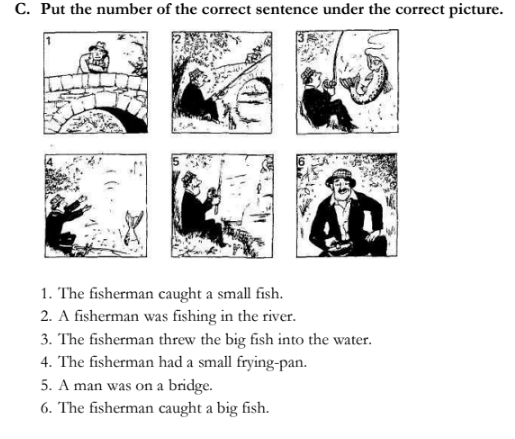
C. Match the sentence number to the correct picture:
Picture 1: 5. A man was on a bridge.
Picture 2: 2. A fisherman was fishing in the river.
Picture 3: 6. The fisherman caught a big fish.
Picture 4: 3. The fisherman threw the big fish into the water.
Picture 5: 1. The fisherman caught a small fish.
Picture 6: 4. The fisherman had a small frying-pan.
29
When the Americans were getting ready to send their first men to the moon, an
old Irishman was watching them on television in the bar of a hotel.
There was an Englishman in the bar too, and he said to the Irishman, ‘The
Americans are very clever, aren’t they? They’re going to send some men to the
moon. It’s a very long way from our world.’
‘Oh, that’s nothing,’ the Irishman answered quickly. ‘The Irish are going to
send some men to the sun in a few months’ time. That’s much farther away than
the moon, you know.’
The Englishman was very surprised when he heard this. ‘Oh, yes, it is,’ he
said, ‘but the sun’s too hot for people to go to.’
The Irishman laughed and answered, ‘Well, the Irish aren’t stupid, you know.
We won’t go to the sun during the day, of course. We’ll go there during the
night.’
Երբ ամերիկացիները պատրաստվում էին ուղարկել իրենց առաջին մարդուն Լուսին, մի ծեր իռլանդացի դիտում էր նրանց հեռուստատեսությամբ՝ հյուրանոցային բարի մեջ։

Բարում մի անգլիացի էլ կար, և նա ասաց իռլանդացուն.
— Ամերիկացիները շատ խելացի են, չէ՞։ Նրանք պատրաստվում են մարդկանց ուղարկել Լուսին։ Դա շատ հեռու է մեր աշխարհից։

— Օ՜, դա ոչինչ է, — շուտով պատասխանեց իռլանդացին։ — Իռլանդացիներն էլ պատրաստվում են մի քանի ամսից մարդիկ ուղարկել Արեգակ։ Դա Լուսնից էլ շատ հեռու է, գիտես։

Անգլիացին շատ զարմացավ՝ լսելով այդ։
— Այո, հաստատ հեռու է, — ասաց նա, — բայց Արեգակն այնքան շիկացած է, որ մարդիկ չեն կարող այնտեղ գնալ։

Իռլանդացին ծիծաղեց ու պատասխանեց.
— Դե, իռլանդացիները հիմար չեն, չէ՞։ Մենք, իհարկե, ցերեկով չենք գնա։ Գնալու ենք գիշերով։
A. Answer these questions
Who were in the bar of the hotel?
→ An old Irishman and an Englishman.

What was the Irishman watching on television?
→ He was watching the Americans getting ready to send men to the moon.

What did the Irish want to do?
→ They wanted to send men to the sun.

Why was the Englishman surprised?
→ Because the sun is too hot for people to go to.

Is the sun really cool during the night?
→ No, the sun is always hot, day and night.

B. Opposites
Write these full sentences with the missing opposite words filled in:

The Irishman in this story was not young: he was old.

The Irishman did not speak slowly. He spoke quickly.

The sun is not nearer than the moon: it is farther away.

The sun isn’t cold. It is very hot.

The Irishman said, ‘The Irish aren’t stupid: they’re clever.’

C. Write this story (prepositions: at, in, on)
Pat lived on a farm in a small village in Ireland. He always got up very early in the morning to work in the fields or to milk the cows. He always had breakfast in the kitchen at 7 a.m. after that. It was still dark then in winter. His wife cooked the breakfast on a big stove. She did not buy much in the shops, but sometimes she went to the town on foot or on the bus to get a few things. She was born in that town, so she always stopped at several houses, knocked on their doors and talked to her old friends.
30
Dave’s class at school were studying English history, and one day their teacher
said to them, ‘Well, boys, on Friday we’re all going to get on a bus and go to
Conway. There’s a beautiful castle there, and we’re going to visit it.’ The boys
were very happy when they heard this.
‘Now, has anybody got any questions?’ the teacher asked.
‘How old is the castle, sir?’ Dave asked.
‘It’s about seven hundred years old, Dave,’ the teacher answered.
‘What’s the name of the castle, sir?’ another boy asked.
‘Conway Castle,’ the teacher said.
On Friday the boys came to school at 9 o’clock and got into the bus. They
visited Conway Castle, and then they came back and went home.
‘Well,’ Dave’s mother said to him when he got home, ‘Did you like the
castle, Dave?’
‘Not very much,’ Dave answered. ‘The stupid people built it too near the
railway.’
Դեյվի դասարանը դպրոցում ուսումնասիրում էր անգլիական պատմություն, և մի օր ուսուցիչը ասաց․
— Դե՛, տղաներ, ուրբաթ օրը բոլորս նստելու ենք ավտոբուս ու գնալու ենք Կոնուեյ։ Այնտեղ մի հիանալի ամրոց կա, և մենք այցելելու ենք այն։

Տղաները շատ ուրախացան այս լուրից։

— Արդյոք հարցեր կա՞ն, — հարցրեց ուսուցիչը։
— Պարոն, քանի՞ տարեկան է այդ ամրոցը, — հարցրեց Դեյվը։
— Մոտավորապես յոթ հարյուր տարվա է, Դեյվ, — պատասխանեց ուսուցիչը։
— Ինչպե՞ս է կոչվում այդ ամրոցը, պարոն, — հետաքրքրվեց մեկ այլ աշակերտ։
— Կոնուեյի ամրոց, — ասաց ուսուցիչը։

Ուրբաթ օրը տղաները ժամանեցին դպրոց՝ ժամը ինին, նստեցին ավտոբուսն ու մեկնեցին։ Նրանք այցելեցին Կոնուեյի ամրոցը, իսկ հետո վերադարձան դպրոց ու գնացին տուն։

Երբ Դեյվը տուն վերադարձավ, մայրը հարցրեց․
— Դե ինչ, դո՞ւր եկավ ամրոցը, Դեյվ։
— Շատ էլ չէ, — պատասխանեց Դեյվը։ — Խելքից շեղված մարդիկ են կառուցել. շատ մոտ են արել երկաթուղուն։
A. Answer these questions
Why did the boys go to Conway Castle?
→ Because their class was studying English history and the teacher organized a visit to the castle.

Who did they go with?
→ They went with their teacher.

When was the castle built?
→ About seven hundred years ago.

Did Dave enjoy visiting the castle?
→ No, he didn’t.

Why didn’t he like it?
→ Because he thought the people had built it too close to the railway.

B. Correct answers
1. Why were the boys happy?
 Correct answer: b. Because they liked getting away from their lessons.

2. How did the boys go to Conway Castle?
Correct answer: a. By bus.

3. Why was the castle near the railway?
 Correct answer: a. Because people built the railway near the castle.
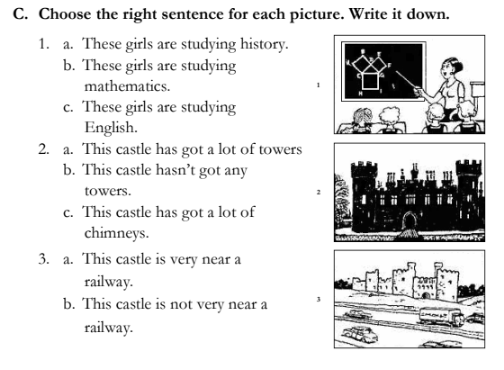
C. Choose the right sentence for each picture. Write it down.
The correct sentence for Picture 1 is:
→ These girls are studying history.

The correct sentence for Picture 2 is:
→ This castle has got a lot of towers.

The correct sentence for Picture 3 is:
→ This castle is very near a railway.
 Ագապե Ավագյան