1.Ես կարծում եմ, որ վաղը ձյուն չի գա։ I think it will not snow tomorrow. 2. Մենք չենք գնա կինոթատրոն վաղը։ Կմնանք տանը և ֆիլմ կդիտենք: We won’t go to the cinema tomorrow. We will stay at home and watch a movie. 3. Կգա՞ս ինձ հետ գնանք Արամի տուն։ Մենք շատ ժամանակ ունենք։ Will you come with me to Aram’s home? We have a lot of time. 4. Կխաղա՞ս շախմատ իմ եղբոր հետ։ Will you play chess with my brother? 5. Մենք կգնանք ծով հաջորդ տարի։ We will go to the sea next year.
1. I will go to Spain one day. Will I go to Spain one day? I won’t go to Spain one day. 2. She won’t come to the party. She will come to the party. Will she come to the party? 3. We’ll be late. Will we be late? We won’t be late 4. Will it snow? It won’t snow. It will snow.
Mummy Duck lived on a farm. In her nest, she had five little eggs and one big egg. One day, the five little eggs started to crack. Tap, tap, tap! Five pretty, yellow baby ducklings came out. Then the big egg started to crack. Bang, bang, bang! One big, ugly duckling came out. ‘That’s strange,’ thought Mummy Duck. Nobody wanted to play with him. ‘Go away,’ said his brothers and sisters. ‘You’re ugly!’ The ugly duckling was sad. So he went to find some new friends. ‘Go away!’ said the pig. ‘Go away!’ said the sheep. ‘Go away!’ said the cow. ‘Go away!’ said the horse. No one wanted to be his friend. It started to get cold. It started to snow! The ugly duckling found an empty barn and lived there. He was cold, sad and alone. Then spring came. The ugly duckling left the barn and went back to the pond. He was very thirsty and put his beak into the water. He saw a beautiful, white bird! ‘Wow!’ he said. ‘Who’s that?’ ‘It’s you,’ said another beautiful, white bird. ‘Me? But I’m an ugly duckling.’ ‘Not any more. You’re a beautiful swan, like me. Do you want to be my friend?’ ‘Yes,’ he smiled. All the other animals watched as the two swans flew away, friends forever.,
They had eggs for breakfast yesterday. I dreank milk last month. We made a chocolate cake for Emmma birthday last week. I did my homework an hour ago. Emma put her lunchbox on the table. My grandmother read interesthink books for us last summer. My mother broke her telephone yesterday. Children got their presents last winter at Christmas. The baby ate his soup half an hour ago. I came home last yesterday. My brother drove his car the car the other day. I found money on the street last night. Anna went to school last Monday. The boy hit his friend last Saturday. Robert dreamt of becoming a doctor.
Մասնակցություն անգլերենի ծրագրով որոշված ճամբարային նախագծին(երին)
Մասնակցություն ձմեռային ուսումնական ճամփորդություններին
Մասնակցություն հունվարյան ճամբարային ֆլեշմոբին
Լրացումներ
Այլ լրացումներ, կարծիքներ ծնողի կողմից
3-րդ ուսումնական շրջանից 5-րդ դասարանի սովորողը ստանում է արդեն միավորային գնահատական էլեկտրոնային մատյանի անգլերեն բաժնում։ Գնահատումը կատարում եմ հետևյալ կերպ․
1.Բանավոր հարցում (կապույտ վանդակ)
2.Դասարանական աշխատանք (կանաչ վանդակ)
3.Տնային աշխատանքի կատարում և ակտիվություն դասարանում (դեղին վանդակ)
Այսինքն սովորողը կարող է մեկ դասաժամի ընթացքում ստանալ 2-3 գնահատական:
Բանավորհարցումը իր մեջ ներառում է՝ տեքստերի ընթերցում և քննարկում, զուգընկերոջ հետ երկխոսությունների վերարտադրում: Գնահատումը կատարվում է 1-ից 10 բալային համակարգով:
Դասարանականաշխատանքը ներառում է դասարանում գրավոր կատարածը՝ նախադասությունների կազմում, որևէ թեմայի գրավոր ներկայացում: Գնահատումը կատարվում է 1-ից 10 բալային համակարգով:
Տնայինաշխատանքը չի գնահատվում բալային համակարգով, այլ միայն բնութագրվում է բառերով՝ very good (շատ լավ), good (լավ), sat.(բավարար), bad(վատ):
Սովորողը կարող է չընտրել և չանել տնային աշխատանքը, բայց դասարանում պետք է մասնակցի դրա քննարկմանը:
Յուրաքանչյուր դասից հետո սովորողը ունենում է բանավոր հարցումից և դասարանական աշխատանքից մեկական միավորային գնահատական, իսկ տնային աշխատանքի կատարման և ակտիվության համար՝ բնութագրող գնահատական:
Սովորողի նախագծային աշխատանքը ամփոփվում է տվյալ ամսվա վերջում՝ բլոգի հղումով և մեկ ամփոփիչ միավորային գնահատականով: Ամփոփման վերևում նաև տեղադրում եմ անգլերենի տվյալ ամսվա ֆլեշմոբի արդյունքները՝ կրկին բլոգի հղումով:
Գնահատման այս եղանակով ծնողը ամեն օր տեղյակ է լինում իր երեխայի առաջադիմությանը՝ ուսուցանվող լեզվի տարբեր բաղադրիչներից և ծնողի համար անորոշ հարցեր չեն առաջանում, երբ ամսվա վերջում տեսնում է մեկ ամփոփիչ գնահատականը:
This is Maria. She is ten and she lives in Brazil. One day while she is at school, her teacher Mrs. Fernandes says, “Tomorrow we are going on a trip(գնալուենքճամփորդության). We are visiting the rainforest”(այցելելու ենք անձրևի անտառ). “Hooray”,-shout the children. They are all very excited(նրանք բոլորը շատ հուզված են). They love going on trips.
So on the next day,they all get on the school bus(Հաջորդ օրը նրանքբոլորընստումենավտոբուս). Maria is sitting next to(կողքը) her friend Pablo. All the mums and dads are waving goodbye. ”Goodbye, have a nice trip”. On the bus, Mrs. Fernandes talks(զրուցում է) about rainforests.
“Rainforests are very important(կարևոր). There are a lot of animals there. There are a lot of plants(բույսեր) too because it rains a lot. It rains for two hundred days every year. ”Wow”, says Maria. Pablo doesn’t say anything. He doesn’t feel very well(նա իրեն լավ չի զգում). His face is all red. Two hours later(երկու ժամ անց)the bus stops. Maria and her friend climb down the steps of the bus. They all stop and look at the rainforest. It is beautiful and green, and the trees are so tall(բարձր). Maria, her friend and Mrs. Fernandes are now walking along the path(արահետ). It is very warm in the rainforest, and the ground is wet(գետինըխոնավէ).”Why is it so dark(Ինչու՞էայսքանմութ), Mrs.Fernandes?”, asks Maria. “Because there are a lot of very tall trees and they don’t let the sunrays come in.(նրանք թույլ չեն տալիս, որ արևի ճառագայթները ներս թափանցեն)” Mrs. Fernandes goes deeper into the rainforest and talks about trees(զրուցում է ծառերի մասին). “We get a lot of things from these trees(մենք շատ բաներ ենք ստանում այս ծառերից ինչպես օրինակ), like rubber(կաուչուկ, ռեզին), cocoa (կակաո) and vanilla (վանիլ). We can also get fruit like avocados (ավոկադո)”. “Look, there is an avocado tree”,-says Maria. “And this is a rubber tree”,-says Pablo. Maria and her class are walking through the rainforest. There are lots of small animals there. Pablo sees a tree frog. Then Miguel sees a beautiful butterfly. After that, Khuanita sees a strange(տարօրինակ) bird.”What’s that, Mrs. Fernandes?” “It’s a toocan(թութակինմանթռչուն), Khuanita”. Suddenly the class hears a noise(լսում է աղմուկ). It is very loud(բարձր). Maria is scared(վախենում է). “What’s that, Mrs. Fernandes?” “They are monkeys. Don’t be scared, Maria. They are just talking to each other(զրուցում են իրար հետ). They are very noisy(նրանք շատ աղմկոտ են), aren’t they?”. The path goes beside the river.”Are there any fish in the rainforest, Mrs. Fernandes?”, asks Pablo. “Oh yes, some rivers have piranes (պիրաններ). Piranes lMaria looks at Pablo. He doesn’t look very well.”What’s the matter(ի՞նչ է պատահել), Pablo?” asks Maria. “I don’t feel very well”(ես ինձ լավ չեմ զգում), says Pablo. “ Oh no, let’s tell Mrs. Fernandes”. “ No, don’t worry, I am okay”.
Thank you so much. I feel much better now”,-says Pablo. “That’s all right, Pablo. You know you should thank(դու պետք է շնորհակալություն հայտնես) the rainforest. Many of its plants make medicine(դեղ)”,- says the grandma.
“Yes, let’s go back to the city(քաղաք) and tell everybody”,- says Maria.
“You are right, Maria. We are going to tell people, when we go back to school, about Pablo and the rainforest. That way we can help to protect it(այս ձևով մենք կարող ենք պաշտպանել այն)”.
1.How old is Maria and where does she live?
Maria is ten years old and she lives in Brazil.
2.What does Maria’s teacher say one day?
She says that they are going on a trip.
3.What trip are they going on tomorrow?
They are going to the rainforest.
4.After reading the text, write a few(մի քանի) sentences about rainforests.
The rainforests are green and beautiful and many tall trees grow there. It is dark there, because the tall trees don’t let the sun rays come in. There are lots of small animals there, like tree frogs, butterflies and toocans. There are many trees, like rubber, cocoa, vanilla and even avocado.
do you like chocolate?
2.does
he go to the beach very often?
3.do
we have any pens?
4.does
she know you?
5.does
it close at 6.30 pm?
6.do
they smoke?
7.do
I look funny in these jeans?
8.do
Bill and Anne like each other?
9.does
she speak German?
10.do
you want to go to the movies?
1. Does Maria have a dog?
No she dosen’t.
2.Do they like to ride a bike?
Yes they do.
3.Does Momo visit his grandmother every day?
Yes he does.
4.Does Mery watch movies every evening?
No she dont.
5.Do they always do her homework?
Yes they do.
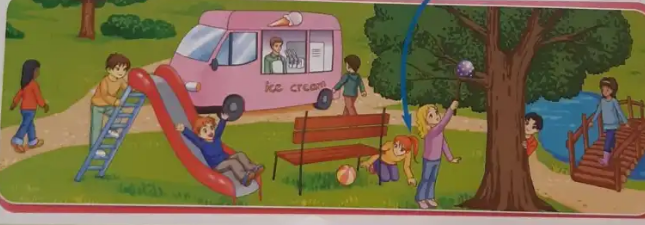
Emma is walking in the park.
2.Bob is climbing up the stairs in order to slide.
3. Hayk is sliding.
4. Daniel is selling ice creams.
5. Aram is going to buy an ice-cream.
6. Maria is crossing the bridge. 7. Narek is hiding behind the tree.
8. Malena is trying to get her ball off the tree.
9. Yeva is trying to take her ball.
exercise
1.The children are playing outside now.
2.He sometimes goes to the cinema.
3.I am doing my homework at the moment .
4.I read the newspaper every morning.
5.I am eating my dinner now.
6.She usually reads a book before she goes to bed.
7.He writes an email to his frend every night.
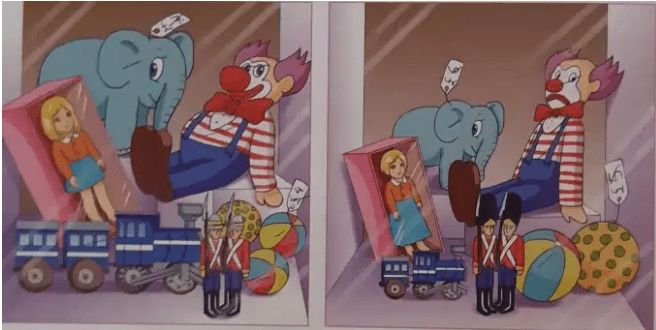
There is a toy elephant in Picture A. It is bigger than the toy elephant in Picture B.
There is a doll in Picture B. The skirt of the doll in Picture B is longer than the skirt of the doll in Picture A.
There is a clown in Picture A. It is fatter than the clown in Picture B.
There is a train with 2 wagons in Picture A. The train in Picture A is longer than the train in Picture B.
 Ագապե Ավագյան